President’s Welcome
Richard Gosselin
Houston City College / NETA
Contact the conference organizerAbout this session
Join Richard Gosselin for the opening welcome. This takes place in the same Zoom room as Wayne Geerling’s session.

22nd Economics Teaching Conference
Thursday, October 22, 2026 · Live online
Updates refresh automatically while this schedule is open.

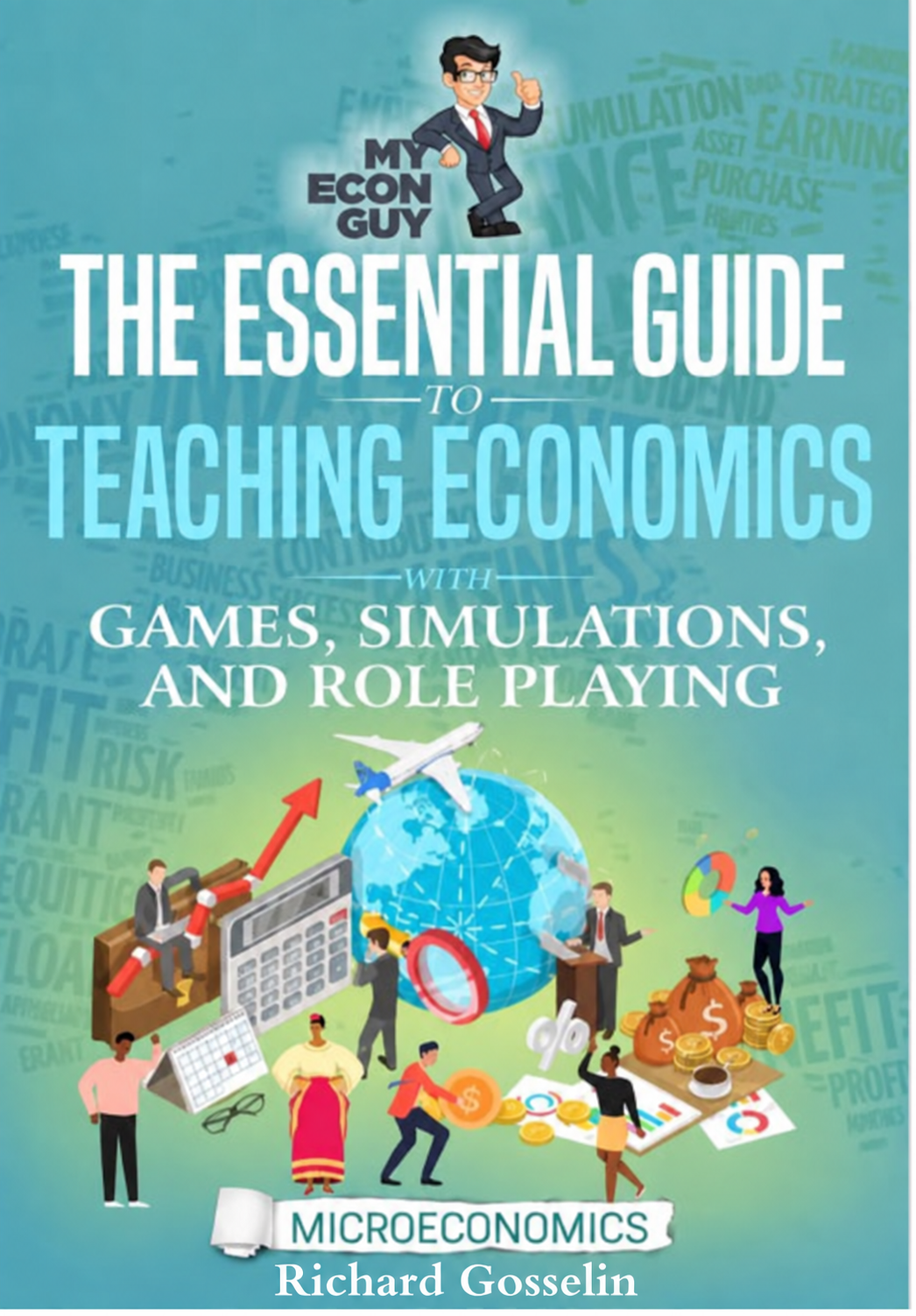
Attend at least one live session on October 22 to qualify for a free PDF of The Essential Guide for Teaching Economics with Games, Simulations, and Role Playing. Your moderator will announce the redemption code and post the download link in Zoom chat at the end of each presentation session.
Free-book detailsAll times shown in Eastern Time.
Each presentation session includes a 40-minute presentation and 10-minute Q&A, with a 10-minute transition break between presentations.
Stay after Session 7: Closing Remarks & MobLab Book Raffle follows immediately in Stephen Chew’s Zoom room. Allow an additional 15 minutes.
Richard Gosselin
Houston City College / NETA
Contact the conference organizerJoin Richard Gosselin for the opening welcome. This takes place in the same Zoom room as Wayne Geerling’s session.
Wayne Geerling
University of Texas at Austin
Moderator: Richard GosselinHouston City College
Speaker bio & videoSocial Media and Pop Culture in the Classroom. Explore how television, music, social media, and sport can make economic concepts engaging and memorable.
Brian Domitrovic
Laffer Center
Moderator: James HornstenNorthwestern University
Speaker bio & videoConnect turning points in American tax history to incentives, investment, entrepreneurship, and growth.
Linda S. Ghent
& Alan P. Grant
Eastern Illinois University / Baker University
Moderator: Mark HolmgrenEastern Washington University
Speaker bios & videoUse alliances, credible commitments, cooperation, and conflict in Game of Thrones to bring strategic thinking into the classroom.
Florencia Gabriele
Berklee College of Music
Moderator: Patrick MurphySaint Leo University
Speaker bio & videoA hands-on session about turning classroom ideas into interactive simulations while keeping learning goals and instructor judgment at the center.
Jadrian Wooten
Virginia Tech
Moderator: Charles NewtonHouston City College
Speaker bio & videoExplore the incentives, budgeting, public choice, regulation, and policy tradeoffs behind life in Pawnee.
J. Brian O’Roark
Robert Morris University
Moderator: Florencia GabrieleBerklee College of Music
Speaker bio & videoConsider what the Harry Potter universe reveals about institutions, technology, trade, incentives, and everyday economic choices.
Stephen Chew
Samford University
Moderator: Richard GosselinHouston City College
Speaker bio & videoDraw on cognitive psychology to understand students’ assumptions about learning and help them develop more effective study habits.
Stay in this room after the Q&A. Closing remarks and the MobLab book raffle follow immediately for 15 minutes.
Materials & recordingsRichard Gosselin
NETA
Stay in Stephen Chew’s Zoom room. Closing remarks and the raffle begin immediately after Session 7, with no transition break.
You must be present during the closing to win.


The raffle is separate from the complimentary teaching-guide PDF available to attendees of at least one live presentation.
Each presentation has its own Zoom room. Return here between presentations. You may join a presentation already in progress. After Session 7, remain in Stephen Chew’s room for closing remarks and the MobLab book raffle.
Share what you found useful and help us plan the next one.
The people behind the ideas
Get to know the educators, explore their work, and watch a preview of the day.
Session 1: Opening
Wayne GeerlingUniversity of Texas at Austin
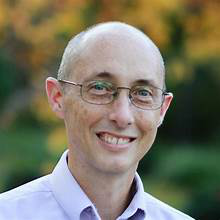
Wayne Geerling is a Professor of Instruction in Economics at the University of Texas at Austin. His work spans economics education, economic history, and the use of multimedia in teaching. He has also coauthored principles of economics textbooks.
He draws on television, film, music, social media, and online video to connect economic ideas with students’ everyday lives. His approach helps instructors use familiar cultural moments to make abstract concepts clearer and more memorable.
Session 2: Featured
Brian DomitrovicLaffer Center
Brian Domitrovic is the Richard S. Strong Scholar at the Laffer Center. An economic historian, he studies American taxation, economic growth, and supply-side economics. He earned his doctorate in history at Harvard University, where he also pursued graduate study in economics.
His books include Econoclasts and The Emergence of Arthur Laffer. He coauthored JFK and the Reagan Revolution with Lawrence Kudlow and Taxes Have Consequences with Arthur Laffer and Jeanne Sinquefield. His work connects tax history with incentives, investment, entrepreneurship, and growth.
Session 3: Featured
Linda S. Ghent
and Alan P. GrantEastern Illinois University / Baker University
Linda S. Ghent is Professor Emeritus of Economics at Eastern Illinois University. Her work includes economics pedagogy, voting, and aging. She has served as an editor of the Journal of Economics Teaching and as a leader in NETA.
Alan P. Grant is Professor Emeritus of Economics at Baker University. His writing explores lotteries, public economics, and the use of popular culture in teaching.
Together, they are the authors of Seinfeld and Economics and the forthcoming Game Theory of Thrones. They use familiar stories to explore incentives, credible commitments, cooperation, conflict, and strategic decision-making.
Session 4: Featured
Florencia GabrieleBerklee College of Music
Florencia Gabriele is an Associate Professor at Berklee College of Music, where she teaches economics, finance, taxation, and music business. She earned her doctorate in political science at Northeastern University and pursued graduate study in international economics and finance at Brandeis University.
Her interests bring together political economy, instructional design, and active learning. She explores how artificial intelligence can support faculty creativity and the development of classroom simulations while keeping learning goals and instructor judgment at the center.
Session 5: Featured
Jadrian WootenVirginia Tech
Jadrian Wooten is a Collegiate Associate Professor of Economics and Director of Undergraduate Studies at Virginia Tech. His teaching and scholarship focus on economics education, pedagogy, and applied topics including sports economics.
He is the author of Parks and Recreation and Economics and directs the Econ Media Library. He uses television, film, sports, and popular culture to help students connect economic models with public policy and everyday decisions. His session explores the economic lessons behind life in Pawnee.
Session 6: Featured
J. Brian O’RoarkRobert Morris University
J. Brian O’Roark is a University Professor of Economics and B. K. Simon Fellow at Robert Morris University. He earned his doctorate in economics at George Mason University. His work includes public finance, information security, sports, and economics education.
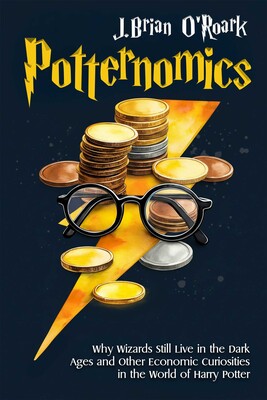
He is the author of Potternomics: Why Wizards Still Live in the Dark Ages and Why Superman Doesn’t Take Over the World, and edits the Routledge Economics and Popular Culture series. He uses fictional worlds to help students examine institutions, incentives, and tradeoffs.
Session 7: Closing
Stephen ChewSamford University
Stephen Chew is Professor Emeritus of Psychology at Samford University. A cognitive psychologist, he taught at Samford for more than three decades and chaired its psychology department from 1993 to 2019. He is nationally recognized for his work on teaching and learning.
His video series How to Get the Most Out of Studying helps students develop more effective study habits. His work examines metacognition, misconceptions about learning, and the strategies students need to monitor their understanding, study effectively, and persist through challenges.
Biographies adapted from the NETA 2026 conference program. Video previews require an internet connection.
NETA 2026 conference resources
Find presentation resources and details about your free teaching guide.

A gift for live attendees
Receive a complimentary PDF of The Essential Guide for Teaching Economics with Games, Simulations, and Role Playing.
Registration alone does not qualify. The code is shared during the live sessions and is not published in this app.
Have your session code ready. The redemption page opens in a new tab.
On conference day
Slides, handouts, and other materials provided by presenters will be posted here on October 22, 2026. Download links will appear with each session as its materials are added.
After the conference
Sessions will be recorded. Recordings will be available on the NETA website a few days after the conference, once they have been prepared. Links will also be added here when ready.
Visit the NETA websiteSession 1: Opening
Wayne Geerling
Session 2: Featured
Brian Domitrovic
Session 3: Featured
Linda S. Ghent & Alan P. Grant
Session 4: Featured
Florencia Gabriele
Session 5: Featured
Jadrian Wooten
Session 6: Featured
J. Brian O’Roark
Session 7: Closing
Stephen Chew
Need help finding a resource? Contact info@econteach.com.
The economics game room
Two challenges. Play at your own pace.
Twenty questions about the economists, books, and theories that shaped the discipline.
Two points without a hint. One point with a hint. Answers and your score appear when you finish.
Play economics triviaOpen the original on econteach.comTest what you know about Silicon Valley Bank, the panic, and the policy response.
Climb toward one million game points. Use a hint, narrow the choices, or get a second chance.
Play the banking gameGame points have no monetary value.Your progress is saved on this device when browser storage is available. Use “Back to conference” inside either activity to return to the schedule.
Help shape the next conference
Tell us what worked and what we can improve for future NETA conferences.
Your feedback is anonymous. We welcome your honest comments and suggestions.
Open feedback formThe feedback form opens in a new tab and requires an internet connection. Use the form’s Submit button to send your responses to NETA.
Your professional-development records
22nd NETA Economics Teaching Conference · October 22, 2026
After attending the conference, select the session or sessions you attended and confirm that your selections are accurate. The organizer will use your self-reported attendance to prepare your certificate.
No NETA Connect account is needed. Your email address will not be displayed publicly.
It has not been sent yet. Open your email app, review the request, and send it to info@econteach.com.
If an email app does not open, copy the request below and send it using your usual email service.
Keep NETA close
Find answers, contact the organizer, or add NETA to your home screen.
Richard Gosselin — NETA President & Conference Organizer
You can message Richard Gosselin before and during the conference. In NETA Connect, open Attendees, search for Richard Gosselin, and select Message. Keep Connect open to see replies.
If you cannot access Connect, email info@econteach.com.
Select a question for help.
Check your spam or junk folder and confirm that you entered the correct email address. After the resend countdown ends, select Resend code. Use the code from the newest NETA Connect email, then return to the Connect screen to enter it.
If the code still does not arrive, email info@econteach.com. You can still join the Zoom sessions without signing in to Connect.
Sign in with the same email address you used to register for the conference. Most registrants are pre-approved. If you registered very recently, your approval may still be processing; select Check approval status to check again later.
If you used a different email address, sign out and try your registration email. You do not need to register for the conference again. For help, email info@econteach.com.
Open the Schedule and select the numbered Join Session button beside your chosen presentation, Join President’s Welcome for the welcome, or Join Closing Remarks & Raffle for the closing segment. If it does not open, select Copy link and paste the link into your browser. If your device asks to open Zoom, allow it.
You can also use the backup conference-day access page. Check the announcements at the top of the schedule for updates. You may join a session already in progress. If you still need help, message the organizer in Connect or email info@econteach.com.
For help with captions, accessible materials, or another access need, email info@econteach.com as early as possible. Describe the assistance you need and identify any relevant session so the organizer can discuss available options with you.
If an access problem arises during the conference, you can also message Richard Gosselin through NETA Connect.
No. You can use this app in your browser and join the Zoom sessions directly from the schedule. Adding the app to your home screen and participating in NETA Connect are optional. Connect sign-in is for networking and messaging.
Your email address is not displayed publicly or in the attendee directory.
Open Resources, or select Materials & recordings beneath a session. Materials provided by presenters will be posted on October 22, 2026.
Recordings will be available on the NETA website a few days after the conference, once they have been prepared. Links will also be added to Resources when ready.
You can message Richard Gosselin before and during the conference. In NETA Connect, open Attendees, search for Richard Gosselin, and select Message. Keep Connect open to see replies.
If you cannot access Connect, email info@econteach.com. When reporting a problem, include the session or app feature, your device and browser, and any error message.
Look for the four-letter NETA logo in the Add to Home Screen preview before tapping Add. If you still see a single “N,” cancel, refresh this page in Safari, and try again after the page finishes loading.
The wording can vary by browser and device.
Tap the numbered Join Session button beside your chosen session and allow your device to open Zoom. If needed, install the Zoom Workplace app before the conference.
The President’s Welcome is in the opening session’s room. Each of the seven presentations has a separate link. Return to the schedule for your next presentation. After Session 7, stay in Stephen Chew’s room for closing remarks and the MobLab book raffle.
Need a backup? Use Copy link beside a session, or visit the conference-day access page.
Live sessions require an internet connection. Adding NETA to your home screen does not sign you into Zoom.
Thursday, October 22, 2026
Free, live online conference.
40-minute presentations + 10-minute Q&A, with a 10-minute break between presentations. Closing remarks and the MobLab book raffle follow Session 7 immediately in the same Zoom room, from 5:50–6:05 p.m. Eastern / 4:50–5:05 p.m. Central.
Game progress is stored on this device, not in a NETA account. Clearing browser data may erase it. Emailing or sharing results happens only when you choose those actions in a game.